
 Kylie Jenner Not Pregnant
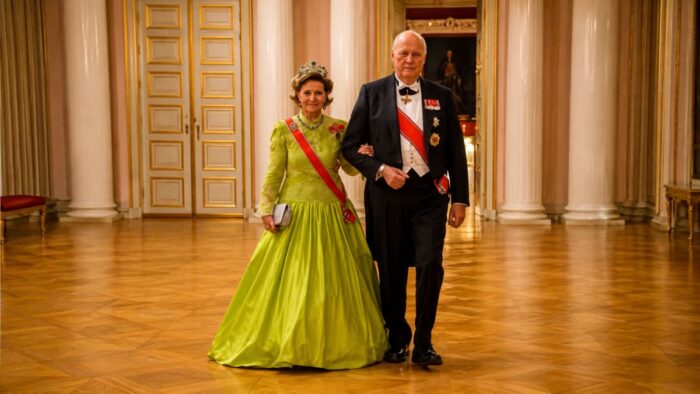 King Harald Dead at 89
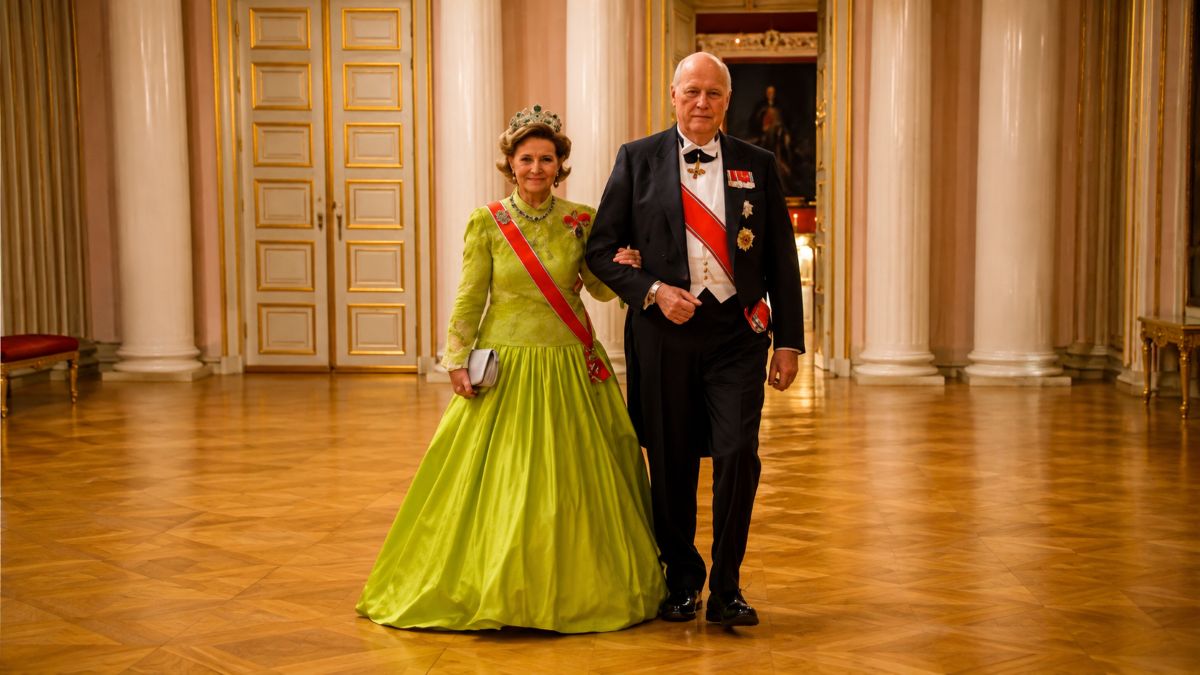
Norway has lost its king.
King Harald V has died at the age of 89, bringing an end to a remarkable 35-year reign and immediately beginning a new chapter for one of Europe’s most closely watched royal families.
The Norwegian Royal House officially announced that Harald died peacefully at Oslo University Hospital Rikshospitalet at 6:35 a.m. on Friday, August 28.
His death means his only son, Crown Prince Haakon, succeeds him as Norway’s monarch.
The transition comes after weeks of growing concern about Harald’s health and only a day after the palace acknowledged that his condition had become extremely serious.
King Harald’s Final Health Crisis
The 89-year-old monarch had been hospitalized as his health deteriorated following complications from ongoing treatment.
Reports in the days before his death said Harald was being treated for hemolytic anemia and had developed a serious bacterial infection in his bloodstream. Members of the royal family gathered around him as his condition worsened.
Harald had battled a number of health problems in recent years, including mobility difficulties and pacemaker surgery.
Despite persistent speculation that he might follow other European monarchs and abdicate, Harald had consistently indicated that he intended to remain king for life.
He did exactly that.
His son had increasingly stepped in as regent during periods when Harald was unable to perform official duties, effectively preparing Haakon for the responsibility that has now fallen upon him.
A 35-Year Reign Comes to an End
Harald became king in January 1991 following the death of his father, King Olav V.
His reign would eventually span more than three decades, during which the Norwegian monarchy evolved alongside a rapidly changing country.
Harald became known internationally for a comparatively informal royal style and for public statements emphasizing tolerance and inclusion.
In one of the defining moments of his reign, he used a widely remembered 2016 speech to describe a Norway made up of people of different backgrounds, religions, sexual orientations, and identities.
It helped establish an image of Harald as a monarch determined to represent modern Norway rather than simply preserve royal tradition.
Yet Harald’s own path to the throne had challenged royal convention decades earlier.
He married Sonja Haraldsen in 1968 after years of resistance surrounding his desire to marry a commoner. She ultimately became Queen Sonja, and the couple had two children, Princess Märtha Louise and Haakon.
Europe’s Royals Mourn King Harald
Tributes began arriving quickly after the announcement.
King Charles III described Harald as a beloved relative while reflecting on his decades of service and the longstanding relationship between the British and Norwegian royal families.
Other European royal houses also honored Harald’s leadership, personal warmth, and role in strengthening ties among the Nordic monarchies.
The mourning will extend far beyond royal circles.
Harald lived through extraordinary periods of Norwegian history. Born in 1937, he spent part of World War II outside Norway after the royal family fled the Nazi occupation.
He later represented Norway in sailing at multiple Olympic Games before eventually becoming king.
Norway Now Has a New King
Harald’s death immediately elevates Haakon to the throne.
For years, Haakon had represented the next generation of the Norwegian monarchy, undertaking increasing numbers of engagements and assuming constitutional responsibilities whenever his father was unable to serve.
Now there is no temporary regency.
The crown is his.
For Queen Sonja and the rest of the royal family, however, the constitutional transition comes amid a deeply personal loss.
And for Norway, August 28, 2026 marks the end of the reign of a king who spent more than three decades insisting that his duty lasted for life.
It did.