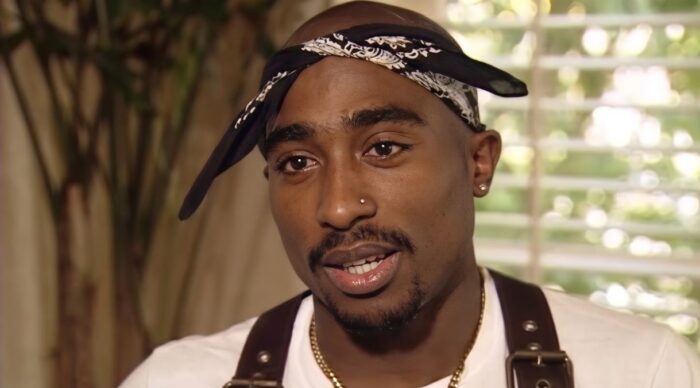
 Tupac Murder Trial Heads to Jury
 Coyote vs. Acme Finally Hits Theaters
 Dolly Parton Streams Explode After Death
 Prince William Returns as Harry Settles Back in Britain
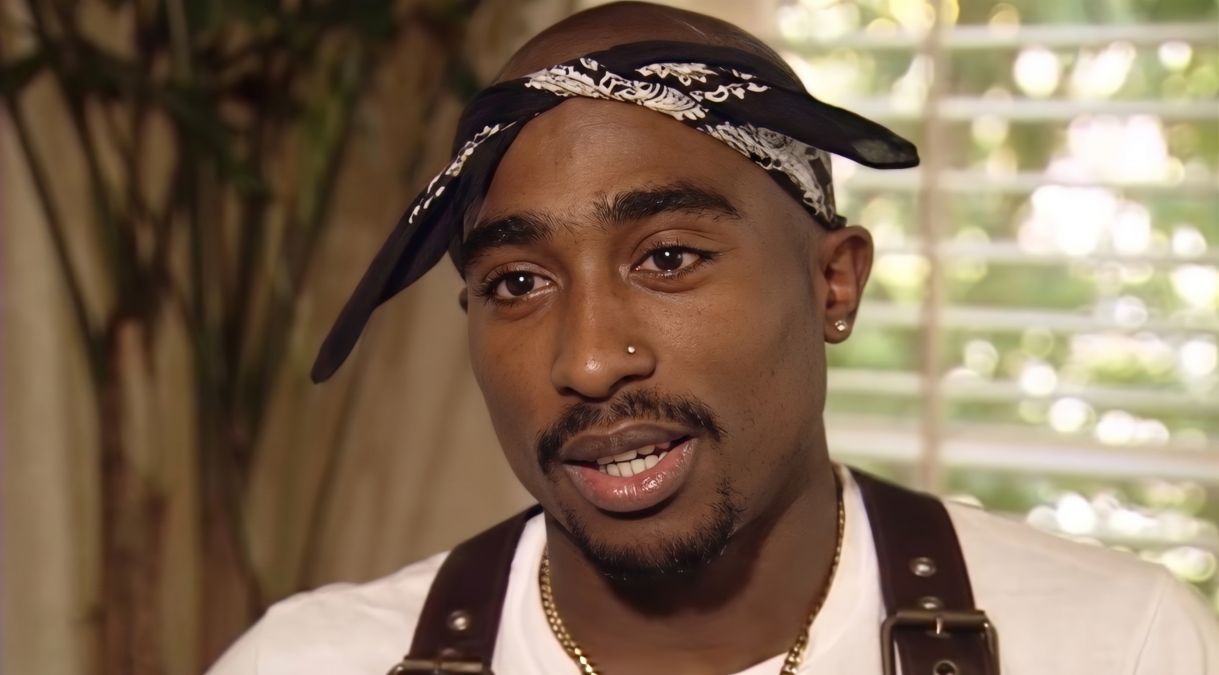
Nearly three decades after Tupac Shakur was gunned down on a Las Vegas street, a jury is finally preparing to decide whether the only man ever charged in the case is criminally responsible for the rapper’s death.
Duane “Keffe D” Davis’ murder trial moved into its final phase this week after both prosecutors and the defense finished presenting evidence. Closing arguments are scheduled for Monday, after which the case is expected to be handed to jurors for deliberations.
For a case that remained officially unsolved for decades, the moment carries extraordinary weight.
Both Sides Have Rested
Prosecutors spent eight days presenting their case and called more than two dozen witnesses. The defense followed with three former Las Vegas police officers before resting Thursday.
Davis, 63, chose not to testify in his own defense.
Friday was largely devoted to finalizing the instructions Judge Carli Kierny will give jurors. The jury itself was not required to attend and is scheduled to return Monday.
Once closing arguments are complete, the 12 jurors will begin deciding whether prosecutors proved Davis’ guilt beyond a reasonable doubt.
Prosecutors Built the Case Around Davis’ Own Words
The prosecution’s case has centered heavily on statements Davis made over the years about the September 1996 shooting.
Shakur had attended a Mike Tyson fight in Las Vegas on Sept. 7, 1996. Later that night, while riding in a BMW driven by Death Row Records executive Marion “Suge” Knight, a white Cadillac pulled alongside the vehicle and someone opened fire.
Shakur was struck multiple times and died six days later.
Prosecutors allege Davis helped organize retaliation following an earlier casino fight involving Shakur and Davis’ nephew, Orlando Anderson. Davis is not accused of personally firing the shots. Under Nevada law, prosecutors can pursue a murder conviction against someone they say aided or directed the killing.
Years after the shooting, Davis publicly described being inside the Cadillac and discussed obtaining the gun. Those statements became critical pieces of the prosecution’s case.
The Defense Says the Evidence Falls Short
Davis’ lawyers have challenged the reliability of his old statements, portraying some of his public accounts as exaggerated stories rather than reliable confessions.
They have also emphasized what prosecutors do not have: physical evidence proving that Davis personally killed Shakur.
That leaves jurors facing the central question of the trial—how much weight should be given to Davis’ own statements when determining his criminal responsibility?
The answer could finally produce the first verdict connected to one of the most infamous killings in music history.
Closing Arguments Come Next
Monday will not automatically bring a verdict.
Prosecutors and defense lawyers will first make their final arguments before the jury begins deliberating.
But after 30 years of theories, investigations and unanswered questions, the Tupac Shakur murder case has reached a place it never had before: a jury room.